October Textiles Limited

Streetwear Catalogue

American Apparel

Organic Catalogue

Main Catalogue

Facebook Twitter Myspace

Main Catalogue > Bags


Bags


How We Print Bags

Picking the right garment, the right printing ink, or the right embroidery thread, is a most tricky business. If you would like us to make some garment suggestions, and advise on the best print or embroidery methods, please fill our help form .... or call us on: 0115 958 5000.

Our print methods are best explained below

Plastisol

Plastisol

the most common plastisol based print used in garment decoration. Good colour opacity onto dark garments, clear graphic detail, with as the name suggests, a more plasticized texture. This print can be made softer with special additives or heavier by adding extra layers of ink.


Water Based inks

Water Based inks

these penetrate the fabric more than the plastisol inks and create a much softer feel. Ideal for printing darker inks onto lighter coloured garments. Also useful for larger area prints where texture is important.


Discharge inks

Discharge inks

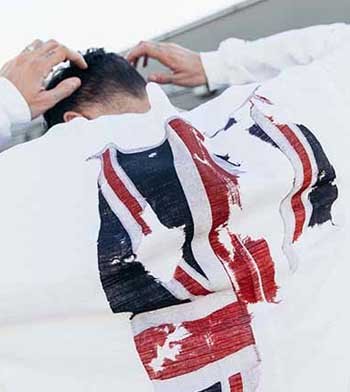
used to print lighter colours onto dark background fabrics, they work by removing the dye in the garment – this means they leave a much softer texture. They are less graphic in nature than plastisol inks, and exact colours are difficult to control, but especially good for distressed and vintage prints.


Foil

Foil

is what you would imagine. A glue is printed onto the fabric and then foils applied for a mirror finish. Due to the gold, silver or bronze foil used (more colour variations available upon request).


Glitter/Shimmer

Glitter/Shimmer

silver flakes are suspended in a plastisol ink to create this sparkle effect. Available in gold or silver.


Metalic

Metalic

similar to glitter, but smaller particles suspended in the ink.

Expanding ink (puff)

Expanding ink (puff)

an additive to plastisol inks which raises the print off the garment, creating a 3D feel.

Caviar beads

Caviar beads

again a glue is printed in the shape of the design, to which small plastic beads are then applied – works well with solid block areas creating an interesting tactile surface. Minimum quantity of 100 applies.

Four colour process

Four colour process

artwork is created using dots (CMYK) which combine to create the full spectrum of colours needed for photographic prints – this means an infinite number of colours can be printed using only 4 screens, making the set-up costs viable. The inks are required to blend and are more translucent, meaning a compromise with vibrancy of colour.

Gloss

Gloss

a clear base laid over plastisol inks to create a shiny finish.

Nylobond

Nylobond

a special ink additive for printing onto technical or waterproof fabrics.

Mirrored Silver

Mirrored Silver

Another solvent based ink but you can almost see your face in it.

Special effects

Fluorescents
Phosphorescents (glow in the dark)
Thermochromics (colour changes with heat)


Need Help?

Get our brochure now

Email *

Name

Phone

If you wish to be added to our marketing list and receive periodic email marketing information from October, please tick this box